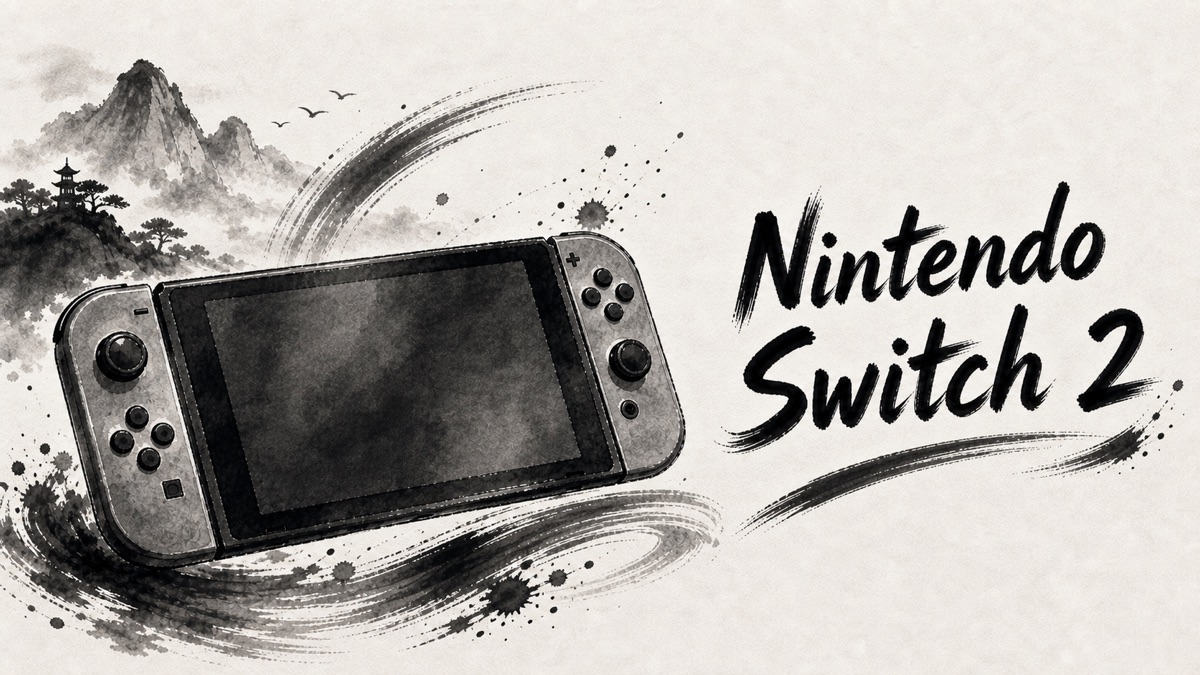
You may be considering the Nintendo Switch 2 because you already own a Nintendo Switch, you want a new family gaming system, or you are wondering whether the bigger screen and newer hardware are worth the upgrade.
Amazon.com
Nintendo Switch 2 System with Mario Kart World Game Bundle
Check current availability on Amazon.com
As an Amazon Associate I earn from qualifying purchases.
What’s Nintendo Switch 2
Nintendo Switch 2 is Nintendo’s newer hybrid game system. Like the original Switch, it can be played handheld, used on a table, or connected to a TV, so Japanese feedback naturally compares it with older Switch, Switch Lite, and OLED models.
The main appeal is a familiar Switch style with a bigger-feeling play experience, smoother operation, newer software, improved controllers, and continued value from existing game libraries. Many users are judging whether it feels like a real upgrade rather than a completely different type of console.
The trade-offs are practical: handheld weight, battery expectations, migration, storage, Joy-Con comfort, and whether the new software lineup matters enough for the buyer’s own play style.
Positive Reviews
Positive feedback usually comes from users who feel the bigger screen, smoother operation, and newer software make the upgrade tangible.
- Bigger and clearer screen. Users often say the display makes games easier to see and more immersive.
- Better handheld readability. Small text and detailed game screens appear easier to follow in portable use.
- Smoother operation. Several impressions describe the system as lighter, faster, or more comfortable than older Switch models.
- Better TV experience. Users mention clean TV output and smooth connection for docked play.
- Strong upgrade from Switch Lite. The difference in screen size and performance stands out for some Lite users.
- Improved sound. Some users moving from the OLED model mention better speaker volume or sound quality.
- Joy-Con 2 attachment feels reassuring. The magnetic connection is treated positively by some users after actual use.
- Existing game library still matters. Backward compatibility reduces the feeling of starting from zero.
- Good family and casual-gaming appeal. Visible feedback includes people enjoying it with family or as a main home console.
- High overall satisfaction. The visible rating trend is broadly positive across the checked pages.
Negative Reviews
Critical feedback focuses on the cost and physical realities of upgrading: weight, battery life, setup, storage, and whether the new library is necessary yet.
- Heavier handheld feel. Some users clearly notice the added weight compared with older Switch models.
- Battery life can be a concern. A few users mention shorter battery life or anxiety about portable playtime.
- Joy-Con 2 size is divisive. Larger controllers can feel better to some users, but tiring or awkward to others.
- Handheld fatigue is possible. Users who play motion-heavy or gyro-based games may feel the weight more.
- Migration can be annoying. Account setup, downloads, and transfer steps are recurring friction points.
- Storage expansion may add cost. The need for compatible memory cards is a practical caveat.
- Exclusive software matters. If you mainly play original Switch games, some users feel the upgrade may not be urgent.
- The Japan-only model has regional limits. Buyers should understand account and language restrictions before importing.
- Mouse-style Joy-Con use is still uncertain. Some users are not yet convinced the feature will matter for their games.
Product Review Summary
Design
Design feedback is mostly about whether the larger body and newer controllers feel better or simply heavier.
Pros
- The system still feels compact for a hybrid console.
- The larger screen gives the hardware a more modern feel.
- Joy-Con 2 attachment feels secure to some users.
Cons
- The system feels heavier in handheld use.
- The larger Joy-Con 2 design may not suit smaller hands.
- Some button placement and controller-use cases divide opinion.
The design looks strongest for players who want a bigger, more capable Switch, but it is not automatically more comfortable for every handheld user.
Screen & Image Quality
Display impressions are one of the clearest reasons users notice the upgrade immediately.
Pros
- Users repeatedly praise the larger screen.
- Text and details are easier to see in handheld mode.
- TV output is viewed positively by several users.
Cons
- The display improvement may matter less if you mostly play on a TV.
- Better visuals do not remove the weight and battery trade-offs.
The screen is one of the safest reasons to consider the upgrade, especially for portable play.
Performance
Performance and comfort matter because many buyers are coming from older Switch hardware.
Pros
- Users mention smoother and lighter operation.
- Upgraders from Switch Lite or older models seem to notice the difference.
- Some existing games feel more comfortable to play.
Cons
- Not every older game or use case will feel dramatically transformed.
- The value of the upgrade depends on the software you actually play.
Performance is a meaningful improvement, but it is most convincing when paired with games that benefit from the newer hardware.
Games & Compatibility
Software and migration decide whether the upgrade feels smooth after the excitement of opening the box.
Pros
- Backward compatibility is a major reassurance.
- Existing Switch libraries remain useful.
- Switch 2 software gives clear reasons to upgrade over time.
Cons
- Migration and account steps can be frustrating.
- Some users feel the exclusive software lineup still needs time.
- The Japan-only version has important account and language limitations.
This is the key buying question: if you want Switch 2 games now, the upgrade makes more sense. If you mainly play older Switch games, waiting may feel reasonable.
Portability & Battery
Handheld use is where the larger screen and heavier body create the clearest trade-off.
Pros
- The larger screen makes portable play more enjoyable.
- The system still works as a flexible handheld-and-TV console.
- It is useful for family, travel, and casual gaming setups.
Cons
- Weight is one of the clearest negative themes.
- Battery life may be shorter than some users hoped.
- Long handheld sessions may be tiring.
Portable use is better visually, but not lighter physically.
Value
Upgrade value depends on whether the buyer wants the new screen, performance, and Switch 2 software now.
Pros
- Strong upgrade for users who want a larger screen, smoother play, and newer games.
- Good fit for people moving from Switch Lite or older Switch hardware.
- Backward compatibility protects existing game libraries.
Cons
- Less urgent if you are satisfied with your current Switch.
- Additional storage and accessories may affect the total cost.
- Buyers should understand regional restrictions before choosing the Japanese model.
The value is strongest when you actually want the new screen, new performance, and Switch 2 software, not just the newest Nintendo hardware.
Amazon.com
Nintendo Switch 2 System with Mario Kart World Game Bundle
Check current availability on Amazon.com
As an Amazon Associate I earn from qualifying purchases.
Summary
Nintendo Switch 2 suits users who want a bigger screen, smoother performance, better-looking handheld play, a stronger TV experience, and a system that still connects to an existing Switch game library.
It is recommended for:
- Switch Lite users who want a much larger screen.
- Original Switch users who want smoother play and better visuals.
- Families looking for a new main Nintendo console.
- Players who plan to buy Switch 2 games.
- Users who value both handheld and TV play.
It may not be the best choice for:
- Users who are happy with their current Switch.
- Players who mostly play older Switch games and do not need new hardware yet.
- People sensitive to handheld weight.
- Buyers who expect long battery life above all else.
- Import buyers who do not want account or language restrictions.
Overall, Nintendo Switch 2 looks very well received in Japanese user feedback. The clearest praise is for the screen, speed, TV play, and the continued usefulness of existing Switch games. The cautions are practical rather than abstract: it is heavier, battery life matters, migration can be annoying, Joy-Con 2 is not perfect for everyone, and the upgrade only feels essential if the new software and improved hardware fit how you actually play.
Comments