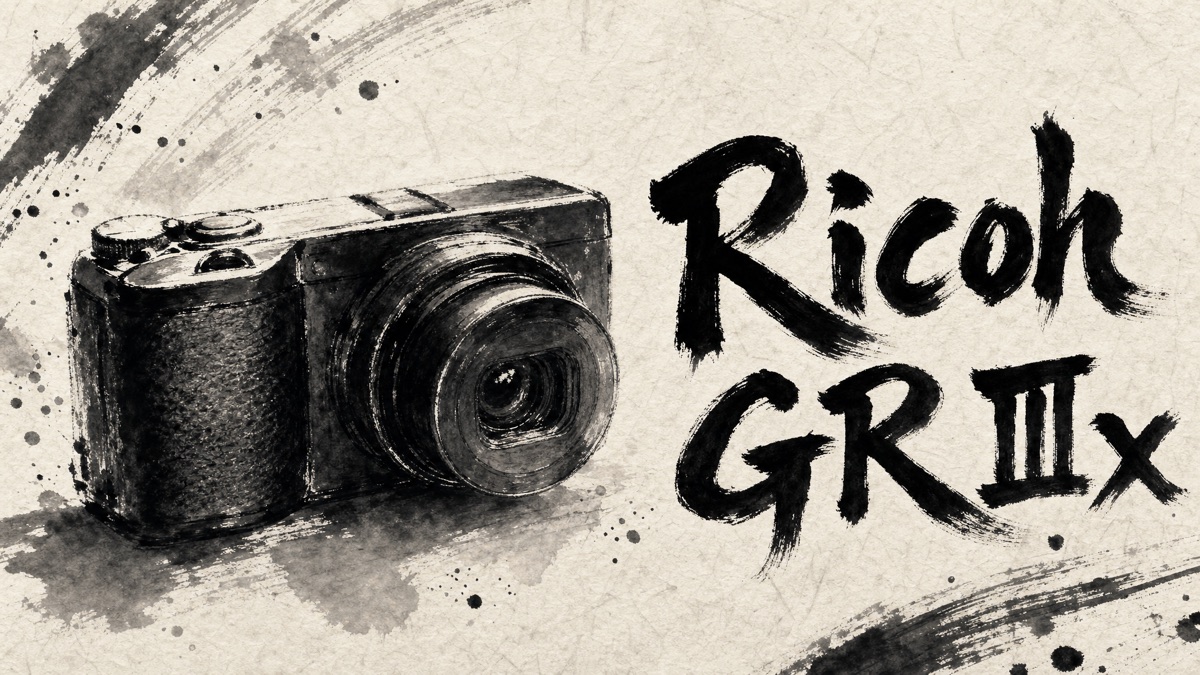
Ricoh GR IIIx is the kind of camera that makes a simple question surprisingly important: what happens when a serious camera becomes small enough to carry almost without thinking?
Japanese user impressions around the GR IIIx often revolve around that question. The most satisfied users like that it is small, quiet in spirit, fast to bring out, and focused on still photography. They do not treat it as a camera that can do everything. They treat it as a camera that removes friction.
The criticism is just as important. A pocketable fixed-lens camera asks the buyer to accept real limits. Battery life, screen-only shooting, price, minimal grip, no zoom flexibility, and the need to understand the lens angle all shape the ownership experience.
This article looks at visible Japanese user feedback trends to understand where the Ricoh GR IIIx feels special, and where buyers may be happier with a phone, a zoom compact, or a larger mirrorless camera.
Amazon.com
Ricoh GR IIIx
As an Amazon Associate I earn from qualifying purchases.
What’s Ricoh GR IIIx
Ricoh GR IIIx is a compact fixed-lens digital camera in the GR family. It is built around the idea of carrying a serious still-photo camera in a very small body. The GR IIIx is especially interesting because its lens gives a more standard-feeling view than the wider GR III, which changes how users frame everyday scenes.
The important context is not a long specification list. GR IIIx is a small, fixed-lens camera for people who want a deliberate snapshot tool. It suits users who like walking, noticing details, composing quickly, and carrying a camera even when a larger body would stay at home.
That design also explains many complaints. The camera is compact because it avoids the flexibility and comfort of larger systems. It does not offer zoom convenience, interchangeable lenses, a deep grip, or the all-day confidence some users expect from bigger cameras. Whether that feels pure or limiting depends on how the buyer wants to shoot.
Positive Reviews
The strongest praise comes from users who want a camera that is easy to carry but still feels like a real photographic tool.
- Portability is the main attraction. Users like having a camera small enough for daily carry, walks, travel, and casual outings.
- The GR IIIx encourages quick shooting. The camera’s small body and simple concept make it easier to react to a scene before the moment disappears.
- Image quality is valued for the size. Users often describe the files as more satisfying than expected from such a compact camera.
- The standard-ish field of view feels natural for many users. It can suit details, people, food, travel scenes, and everyday snapshots better than a wider camera.
- The fixed lens can help users focus. Some owners like not thinking about lens changes or zoom positions.
- The camera feels discreet. It is less imposing than a larger mirrorless body, which suits street and casual documentary use.
- Snap-style shooting is part of the appeal. Users who understand the GR rhythm often enjoy the speed and decisiveness.
- It works well as a second camera. Owners of larger systems may use the GR IIIx when they want less gear.
- The design has a loyal following. Some users enjoy the plain, tool-like body because it does not feel flashy.
- The camera can make ordinary walks more photographic. Positive feedback often connects the GR IIIx with the habit of noticing small scenes.
- The limitation can become creative. Buyers who enjoy one focal length may find the restriction clarifying rather than frustrating.
- It is a strong fit for people who already know they want this angle of view. Satisfaction is higher when the buyer has chosen the GR IIIx deliberately rather than as a generic compact camera.
Negative Reviews
Critical feedback usually comes from users who want more flexibility, more comfort, or fewer worries from a compact camera.
- Battery life requires attention. Some users feel they need spare batteries or a charging habit for longer days.
- Screen visibility can be a practical concern. Bright outdoor light can make screen-only shooting harder for users who prefer a finder.
- The fixed lens is limiting for some buyers. There is no zoom safety net when the subject is too far away or too close for the composition the user wants.
- The field of view is not universal. Users who prefer wider scenes may be happier with the GR III, while others may still want more reach.
- The price can feel high for a compact camera. The value depends heavily on whether the buyer really wants the GR concept.
- Grip and handling are minimal. The small body is easy to carry, but it does not offer the secure feel of a larger camera.
- Accessories can become tempting. Some users consider grips, straps, spare batteries, or an external finder, which changes the simple carry idea.
- File-transfer and shooting workflow can feel less phone-like than some buyers expect. The camera is small, but it still asks users to build a camera-first routine.
- Stabilization and handheld confidence are not magic. Users who expect every casual shot to be effortless may still need care.
- The screen-based shooting style is not for everyone. Bright light and careful framing can make some users miss a viewfinder.
- The camera rewards practice. People expecting instant phone-like convenience may need time to understand how the GR works best.
- It is easy to buy for the reputation and then discover the limits. The GR IIIx is loved by the right user, but its personality is too specific to be a safe universal recommendation.
Product Review Summary
Carryability & Shooting Habit
The GR IIIx makes the most sense when the buyer wants a camera that can come along without a plan.
Pros
- Small enough for everyday carry.
- Less intimidating than a larger camera in casual situations.
- Encourages spontaneous still photography.
Cons
- Small size also means minimal grip and controls.
- Extra batteries or accessories can reduce the clean pocket-camera idea.
- Users who want a comfortable all-day grip may prefer a larger body.
The GR IIIx is strongest when being carried often matters more than ergonomic comfort.
Image Quality & GR Character
The camera’s appeal depends on the feeling that a pocket camera can still produce files worth keeping.
Pros
- Users value the image quality for such a small body.
- The fixed-lens design supports a consistent shooting style.
- The GR look and workflow can become part of the pleasure of using it.
Cons
- Buyers expecting a flexible camera system may feel boxed in.
- Larger mirrorless cameras still offer more lens and handling options.
- The camera’s strengths are most obvious to users who enjoy still-photo discipline.
The GR IIIx is not just a convenience camera. It is more convincing when the buyer wants the GR way of shooting.
Field of View & Subject Fit
The GR IIIx is defined by its more standard-feeling view. That is the reason some users choose it, and the reason others hesitate.
Pros
- The angle of view suits details, people, food, travel moments, and tighter everyday framing.
- Users who find wide-angle compact cameras awkward may feel more at home.
- The consistent frame can help develop a recognizable shooting rhythm.
Cons
- It is less forgiving for cramped interiors and broad landscapes.
- There is no zoom if the subject distance is wrong.
- Buyers unsure about the lens angle should compare it carefully with the wider GR model.
The safest buyer is someone who already knows the GR IIIx perspective fits how they see.
Battery, Screen & Ownership Care
Many negative comments are not about image quality. They are about living with a small screen-based camera.
Pros
- The small body is easy to keep nearby.
- The camera can become a regular companion for short outings.
- Owners who build a charging routine can reduce battery frustration.
Cons
- Battery confidence is weaker than with many larger cameras.
- Bright light can make the rear screen harder to use.
- Finder, battery, and carry accessories can become part of ownership.
The GR IIIx is best for users who accept that pocketability brings battery habits and screen-based shooting with it.
Value & Buyer Expectations
The GR IIIx is expensive if judged as a normal compact camera, but more reasonable if judged as a specialized daily-carry photographic tool.
Pros
- It offers a distinctive experience that phones and zoom compacts do not fully replace.
- It can be a satisfying second camera for owners of larger systems.
- Its limitations are part of the appeal for users who want a focused tool.
Cons
- It is not a safe all-purpose recommendation.
- Buyers may need accessories, spare batteries, or an external finder.
- People who want zoom convenience, viewfinder shooting, or a more phone-like workflow may get better value elsewhere.
The value question depends less on the specification sheet and more on whether the buyer wants this exact style of camera.
Amazon.com
Ricoh GR IIIx
As an Amazon Associate I earn from qualifying purchases.
Summary
Japanese user feedback presents the Ricoh GR IIIx as a compact camera with a very clear identity. It is praised for being easy to carry, quick to use, capable of serious-looking still images, and enjoyable for people who like a fixed-lens shooting rhythm.
It is also criticized for the compromises that make the concept possible: battery management, screen-only shooting, fixed-lens limits, minimal handling, no zoom flexibility, and a price that only makes sense if the GR idea truly fits the buyer.
It is recommended for:
- Street, travel, and everyday shooters who want a serious pocket camera.
- Users who like a standard-ish field of view more than a wide-angle compact.
- Photographers who enjoy fixed-lens discipline.
- Owners of larger systems who want a small second camera.
- People who value carrying a camera often over having every feature.
It may not be the best choice for:
- Buyers who want zoom flexibility.
- Users who need strong battery confidence for long days.
- Users who often shoot in bright light and strongly prefer a viewfinder.
- Users who want a more phone-like shooting and sharing workflow.
- Anyone who wants one camera to cover every casual and serious situation.
The Ricoh GR IIIx works best when its limitations sound like part of the attraction. If the buyer wants a small camera that encourages a specific way of seeing, it can feel unusually personal. If the buyer wants convenience above all else, the same design can feel too narrow.
Comments