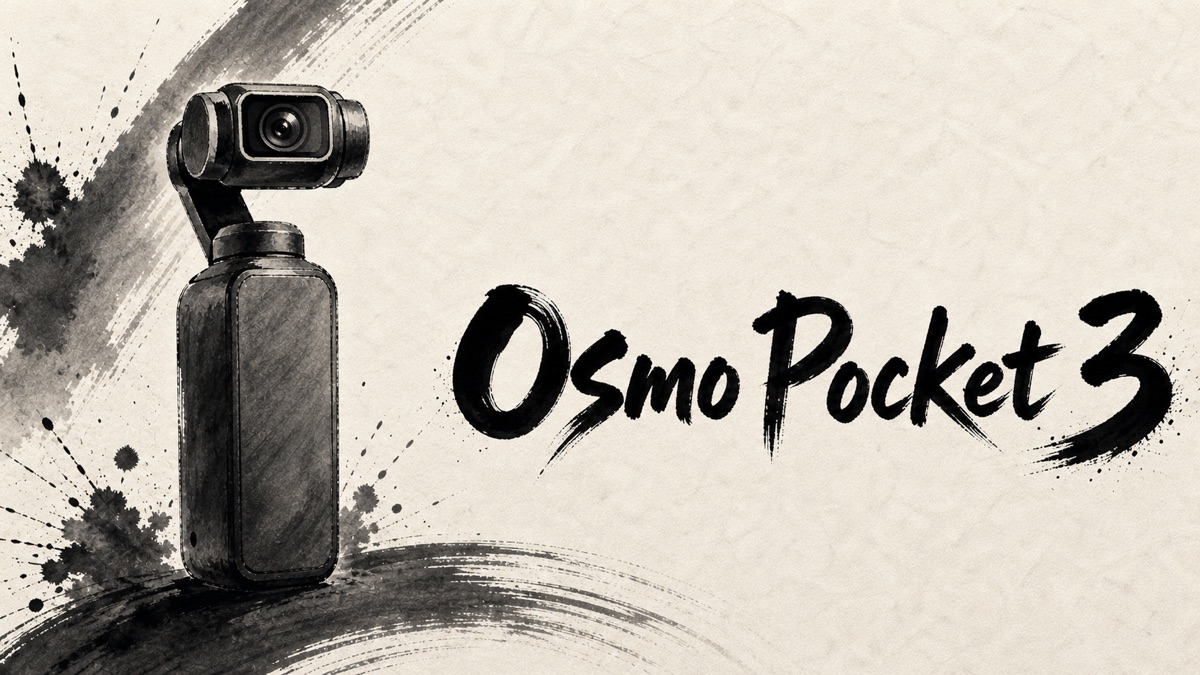
You may be considering the DJI Osmo Pocket 3 because you want smoother travel, family, walking, or Vlog video without carrying a larger camera and separate stabilizer.
Japanese user feedback suggests that the Pocket 3 is being judged mostly as a practical creator tool: small enough to bring along, stable enough to change how handheld footage looks, and capable enough to feel like a real upgrade from phone-only video.
At the same time, the same feedback also makes the trade-offs clear. Battery planning matters, zoom reach is limited, the gimbal body needs care, and newer pocket cameras now exist.
Amazon.com
DJI Osmo Pocket 3
Check current availability on Amazon.com
As an Amazon Associate I earn from qualifying purchases.
What’s DJI Osmo Pocket 3
DJI Osmo Pocket 3 is a compact handheld gimbal camera for travel, family video, walking shots, Vlog clips, events, and creator use. Japanese feedback usually treats it as a small stabilized camera that changes how casual handheld footage looks.
The appeal is not only image quality. Users also discuss stabilization, portability, quick shooting, face tracking, screen handling, microphone options, and whether the small gimbal body fits their travel or daily recording style.
The buying question is whether its compact stabilized workflow matters more than the limits around zoom reach, accessory planning, battery management, and careful handling of the gimbal mechanism.
Positive Reviews
Positive feedback usually comes from users who want smoother handheld video without carrying a larger camera and separate stabilizer.
- Stabilized footage is the strongest reason to buy. Users often mention smoother walking, travel, and handheld video.
- Video quality is highly praised for the size. Visible feedback frequently points to clean footage, strong color, and satisfying detail.
- Low-light performance is a meaningful improvement. Night scenes and indoor shooting are often treated as areas where the Pocket 3 feels more capable than expected.
- Portability is a major strength. Users value being able to carry it for travel, family events, everyday recording, and casual creator work.
- It feels easier than a larger camera setup. Some users compare it favorably with heavier DSLR or mirrorless video shooting.
- The larger screen improves usability. Users moving from older Pocket models often mention the screen as a major practical upgrade.
- It works well for Vlog and solo shooting. The small body, tracking, tripod options, and microphone ecosystem make it attractive for self-recording.
- It suits travel very well. Japanese feedback includes trips, walking footage, home-video use, and compact bag setups.
- The accessory ecosystem adds value. Creator Combo parts, battery support, microphone options, filters, and cases can make the camera feel more complete.
- Upgraders from older Pocket models see a clear improvement. Image quality, screen size, operation, and low-light performance are recurring upgrade points.
- Quick shooting is appreciated. Users like that it can be ready for casual moments without setting up a larger rig.
- Overall satisfaction is strong. Across the checked Japanese feedback, the tone is broadly positive when users want compact, stabilized video.
Negative Reviews
Critical feedback centers on gimbal care, battery planning, limited zoom reach, accessory cost, and whether newer options change the value equation.
- Battery planning is necessary. Shorter sessions may be fine, but long travel days or extended recording can require extra power.
- Zoom reach is limited. Buyers who need distant subjects, stage footage, or telephoto-style framing may want another camera.
- It is not a rugged action camera. The gimbal mechanism means careful handling, storage, and transport matter.
- It is not waterproof in the way action-camera buyers may expect. Outdoor users should think carefully about weather and protection.
- Menus and framing can take practice. Some users find camera direction, settings, or gimbal behavior less immediate than a phone.
- A complete kit may cost more than the body alone. microSD cards, filters, case, microphone, tripod, and battery accessories may become necessary.
- The screen is useful but still small. It is better than older models, but not the same as composing on a phone or larger camera.
- Photo use is secondary for some users. Several impressions treat the Pocket 3 mainly as a video tool rather than a still-camera replacement.
- Newer models and competitors complicate the decision. Buyers should compare current availability, pricing, and feature needs.
- It may not satisfy users who want maximum manual control or system flexibility. The Pocket 3 is strongest as a compact video tool, not as an all-purpose camera system.
Product Review Summary
Video Quality
Video quality matters because buyers expect the Pocket 3 to look meaningfully better than phone-only footage in real scenes.
Pros
- Japanese users often describe the video as clean and satisfying for such a small camera.
- Low-light and night-scene feedback is more positive than typical compact-camera expectations.
- The 1-inch sensor helps the product feel like more than a casual gadget.
Cons
- It is still a compact camera, so buyers should not expect large-camera flexibility.
- Still-photo expectations should be calibrated carefully.
- Newer models may offer stronger specifications in some areas.
The Pocket 3 appears strongest for users who care about compact video quality more than lens flexibility.
Stabilization
Stabilization is the main reason many users choose this camera for walking, travel, and casual creator footage.
Pros
- The built-in gimbal is the clearest advantage.
- Users value smoother walking, travel, family, and Vlog footage.
- It reduces the need for a separate stabilizer.
Cons
- Gimbal framing and movement can take practice.
- The mechanism needs more careful handling than a simple action camera body.
Stabilization is the safest purchase argument for this model, especially for people who record while moving.
Portability & Travel
Portability is a major part of the appeal because the camera is meant to be carried when larger setups would stay home.
Pros
- Small size makes it easy to bring on trips or family outings.
- It is more practical than a large camera setup for casual video.
- Accessories can turn it into a compact creator kit.
Cons
- A real travel setup may include a case, microSD cards, filters, tripod, microphone, and extra power.
- The gimbal should be protected in a bag.
Portability is a major strength, but the best experience comes from planning the small accessories around it.
Battery & Accessories
Longer shooting days make battery planning, accessories, storage, and microphone choices part of the ownership experience.
Pros
- Short sessions and casual clips are easy to manage.
- Fast charging and battery accessories help the camera fit travel use.
- Creator Combo accessories can reduce friction for Vlog and talking-head footage.
Cons
- Long recording can drain the battery quickly.
- Extra power may be needed for full travel days.
- The standard kit may not include everything a creator eventually wants.
Battery life is not always a deal-breaker, but it is one of the clearest practical cautions.
Usability
Usability decides whether the camera feels quick and dependable before a trip, event, or Vlog recording.
Pros
- Many users find it easier than carrying a larger camera and gimbal.
- The larger rotating screen improves framing compared with older Pocket models.
- Quick shooting helps capture casual moments.
Cons
- Menu navigation and gimbal direction can require practice.
- The small screen still has limits.
- Users coming from smartphones may need time to adjust.
The Pocket 3 is approachable, but it is still a specialized camera with its own handling style.
Value
Value depends on whether the Pocket 3 changes the buyer’s actual recording habits enough to justify a dedicated device.
Pros
- Strong fit for users who want compact stabilized video.
- Good choice for travel, family footage, Vlog, walking clips, and everyday creator use.
- Japanese user satisfaction looks broadly positive in the checked reviews.
Cons
- Buyers should compare it with newer Pocket models and competing compact cameras.
- The best value depends on whether you need the accessories.
- If zoom, ruggedness, or still photography matters most, another camera may make more sense.
The value is strongest when the buyer specifically wants a small gimbal camera rather than a general-purpose camera.
Amazon.com
DJI Osmo Pocket 3
Check current availability on Amazon.com
As an Amazon Associate I earn from qualifying purchases.
Summary
DJI Osmo Pocket 3 suits users who want a small camera for stabilized travel, Vlog, walking, family, and everyday video. Japanese user feedback is especially positive around stabilization, image quality, portability, low-light performance, and the upgrade from older Pocket models.
It is recommended for:
- Travelers who want smooth handheld video in a small kit.
- Vlog users who value a compact camera, screen, tripod, and microphone workflow.
- Families and casual creators who want better-looking video without a large setup.
- Users upgrading from older Pocket models.
- Buyers who prioritize stabilization and portability over zoom reach.
It may not be the best choice for:
- Buyers who need waterproof or rugged action-camera handling.
- Users who need strong zoom or lens flexibility.
- People who record for long periods without extra power.
- Still-photo-first buyers.
- Anyone who wants the newest pocket camera generation above all else.
Overall, DJI Osmo Pocket 3 still looks well received in Japanese user feedback. Its appeal is clear: smooth video, strong image quality for the size, travel-friendly handling, and a mature accessory ecosystem. Its cautions are practical: battery planning, limited zoom, careful gimbal handling, accessory cost, and the need to compare newer alternatives before buying.

Comments